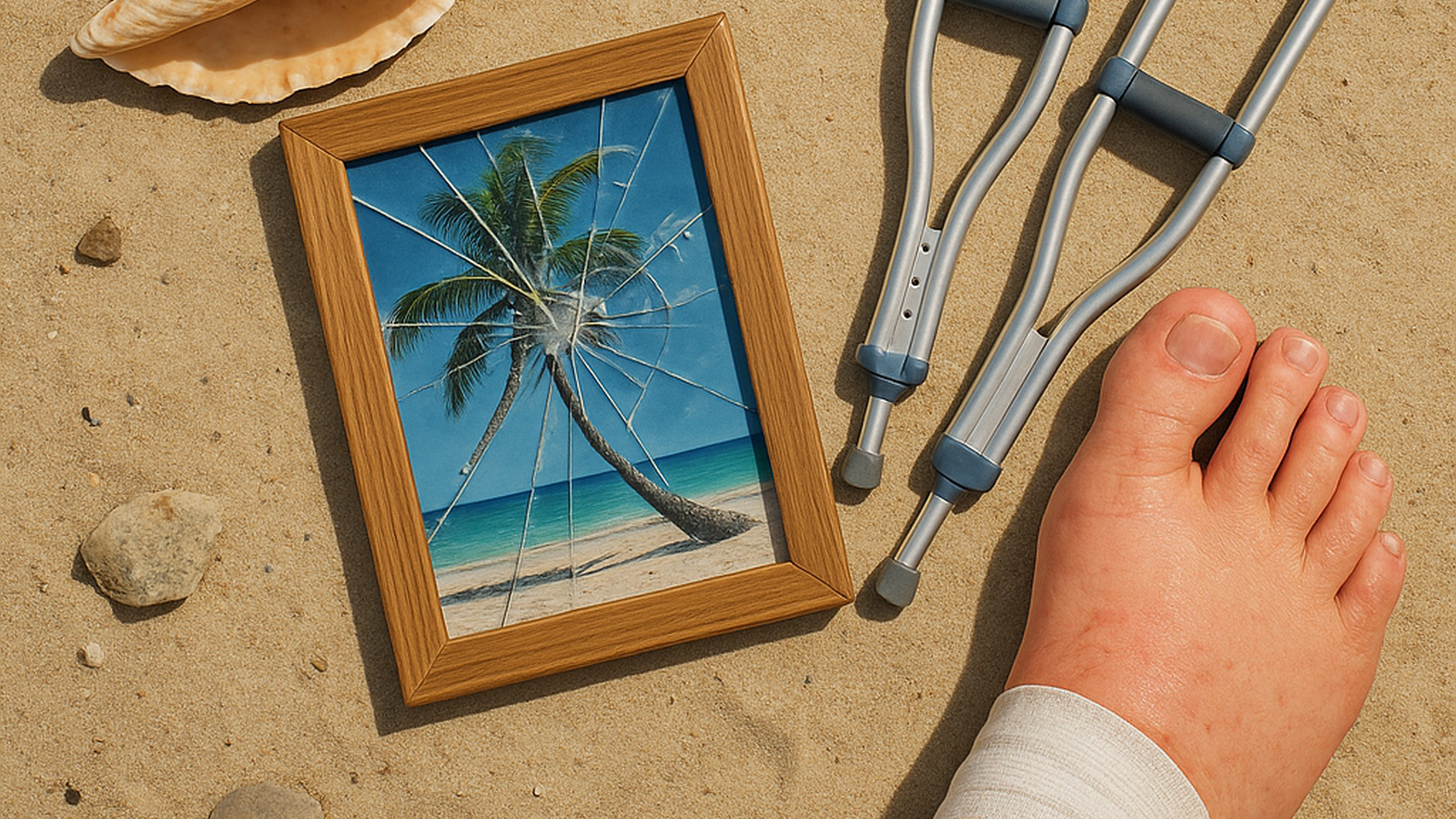
People love souvenirs, but be careful – some travel keepsakes might bring more bad luck than joy. Many cultures warn that taking certain objects (especially from sacred sites) is just asking for a curse. It may sound far-fetched, but tourists really do mail such “cursed” items back – often with apology notes describing the misfortunes that followed.
-
Australia (Uluru) – Hundreds of tourists who pocketed a piece of Uluru’s famous red rock later mailed it back, claiming the theft brought a wave of bad luck (illnesses, break-ups, even deaths).
-
Mexico (Chichén Itzá) – Not every “curse” is supernatural – sometimes locals themselves deliver the punishment. One tourist learned this when she climbed a sacred Mayan pyramid at Chichén Itzá despite a ban; she came down in disgrace – doused with water and booed by a crowd chanting “jail!”.
-
Indonesia (Bali) – In Bali, you can rack up bad karma without stealing a thing. Temples and their offerings are not to be touched – pointing your feet at them or, worse, climbing on a sacred statue is a surefire way to anger the spirits. Even stepping on flower or rice offerings is considered sacrilege that can bring misfortune.
-
Japan – A bad fortune from a Japanese shrine (omikuji) is better left behind. Tradition calls for tying the unlucky slip to a pine branch or rack at the shrine – that way the bad luck stays “tied up” there and doesn’t follow you home.
-
India – The infamous Koh-i-Noor diamond is said to doom any man who possesses it to a grim fate. No wonder it’s been worn exclusively by women for generations – men prefer not to tempt fate.
Moral of the story? Think twice before stuffing some dodgy souvenir into your suitcase – you might invite the wrath of the gods or (more realistically) some legal trouble. Sometimes a postcard and a photo are the safest treasures to bring back!