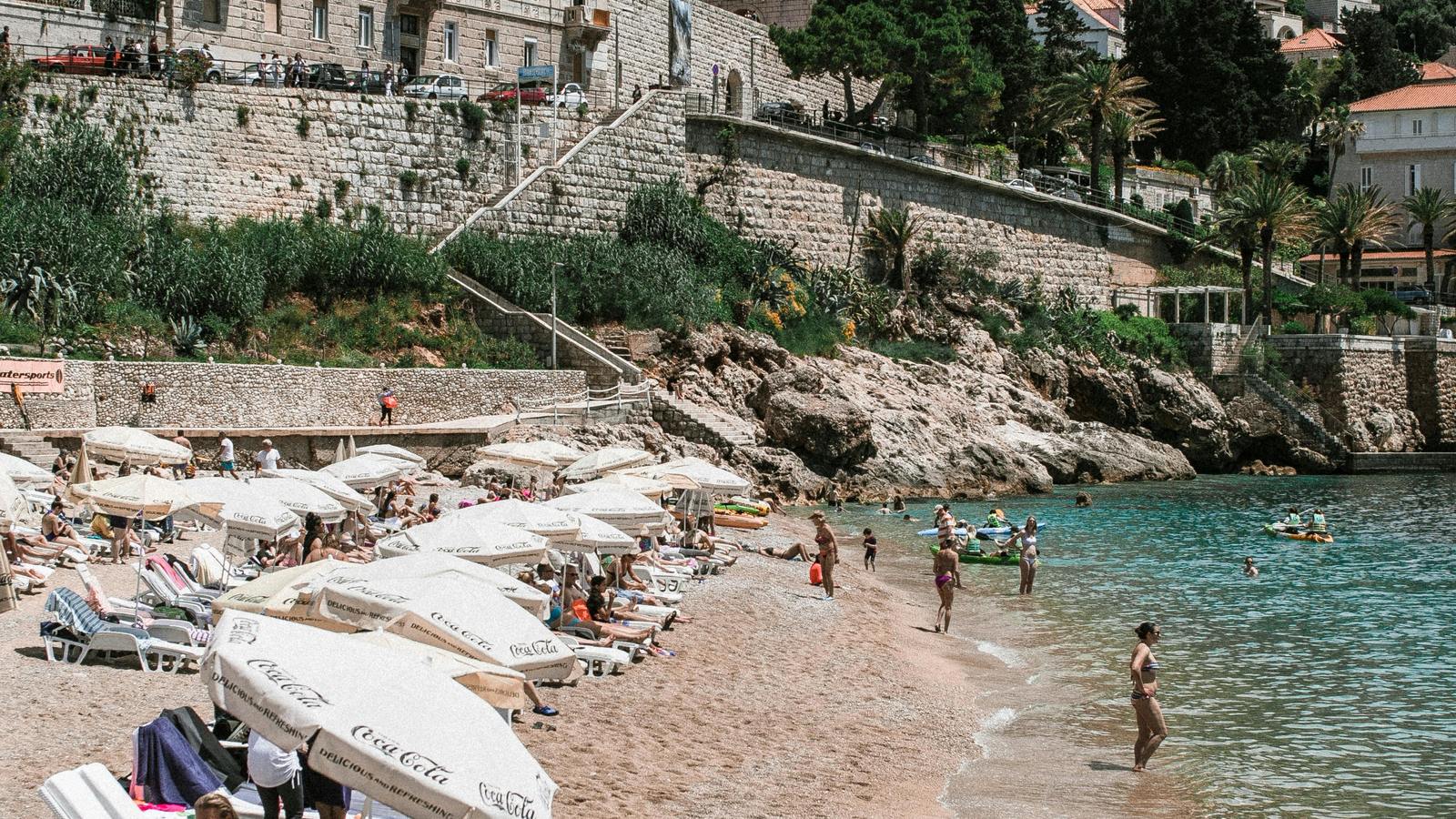
Croatia continues to be a top seaside destination, but this season has seen an unprecedented surge in jellyfish along many beaches. Coastal areas near Rovinj, Pula, and Umag are particularly affected, with stinging species washing ashore and causing painful skin irritation. With sea temperatures climbing above 26 °C in July, jellyfish populations have swelled, pushing these creatures closer to the shore.
Fearing the discomfort of stings, many visitors now forgo swimming altogether. Rather than entering the water, they opt for sunbathing on loungers or strolling along the promenade to stay clear of tentacles. While some beach bars offer soothing cucumber slices or aloe gels, travelers increasingly rely on home remedies like apple cider vinegar or chamomile compresses to ease the burning sensation.
Experts warn that if ocean warming continues, jellyfish blooms may become even more frequent. Croatian resorts are already planning coastal monitoring programs and putting up warning signs, while lifeguards receive training in prompt removal of jellyfish fragments. Ultimately, though, it is up to holidaymakers themselves to decide whether to brave the waves or let jellyfish dictate their beach experience.